

It’s hard to change, even when you know what you want. Because sometimes what you want conflicts with a mistaken belief that you have. That belief usually started as a way to keep you safe. Holding on to it feels safer than giving it up for something you can’t see yet, so you keep not doing the things you already know you should do.
In this post, I’ll explain where a mistaken belief like that comes from, using ideas screenwriters use to build their characters. Then I’ll walk you through a way to find the belief in your own life, so you can decide what to do about it.
Key Takeaways
- Knowing what to do doesn’t always mean we’ll do it. When we keep not acting on what we want, we’re often protecting a mistaken belief. (Why it’s so hard to change)
- Screenwriters call this kind of belief the Lie the Character Believes. A character can’t get what they want until they see the Lie. (The lie the character believes)
- A mistaken belief usually starts as a way to protect us from something that hurt, which is why we hold on to it. (Why we hold on)
- What we want and what we need are different. We can get what we want and still feel unsatisfied. (Want and need)
- To find the belief, start with what you keep not doing. What you keep not doing leads to the belief, and the belief leads to what hurt. (How to find the belief and What changes once you see it)
Why is it so hard to change when you know what you want?
Most explanations of why change is hard point to habit, to a brain that prefers what’s familiar, or to goals that are too big. Those explanations help with why change takes effort. They don’t explain why we can hear good advice, agree with it, and still not take it.
I see people struggle to take good advice in my coaching all the time.
I can give people the best advice, but they can’t hear it because they’re not receptive or open to it.

I’ve also been the one who couldn’t hear the advice. Friends have given me advice I wasn’t ready to hear, because taking it meant growing in a way I wasn’t comfortable with. I didn’t know the steps, and I didn’t know the risk. Coaches have recommended things I wasn’t open to because I was afraid of failing. Sometimes I didn’t see the advice working in the life of the person giving it.
Looking back, whether I could take in advice came down to three things. I had to feel I could achieve what the person was suggesting. I had to have the emotional capacity to handle it. I also had to have the time to do it well.
I’m much better at receiving advice now. I’m okay with not having known something, and I ask for more information than I used to.
When a mistaken belief is protecting us, good advice has a hard time getting in. Getting more information usually doesn’t help for the same reason. I wrote about that problem in the knowing-doing gap.
What screenwriters call the lie the character believes
Screenwriters and novelists have to explain why a character who wants something can’t get it. K.M. Weiland, who writes about story structure for novelists, says the reason is usually a belief the character holds. She calls it the Lie the Character Believes.
Weiland describes the Lie as a mistaken or limited way of seeing yourself or the world. The character holds the Lie at the start of the story. Then the events of the story challenge it.
The Lie isn’t always completely false. Weiland says the Lie may be true up to a point, and it has usually worked for the character until now. What the character moves toward isn’t a final answer. It’s a broader view that works better.
Weiland says the deepest version of the Lie is a belief about yourself. A character might believe they aren’t good enough, aren’t worthy, or need a status symbol to be okay. She also tells writers to look at their own lives, because people trade a limited view for a broader one all the time.
If you’ve read about limiting beliefs, the Lie probably sounds familiar. A limiting belief is one sentence you believe about yourself, and that sentence comes from a bigger story about who you are. I explain the difference in how stories keep us stuck.
Your story is made up of many beliefs. One of those beliefs usually holds the rest of the story up, and that’s the belief to look for. Telling yourself the opposite sentence rarely changes it, because the rest of your story stays the same.
Why we hold on to a mistaken belief
We hold on to a mistaken belief because, at some point, it kept us safe. The belief started as a reasonable response to something that hurt.
Michael Hauge, who teaches screenwriters about story structure, describes how a character ends up with a mistaken belief. He says it starts with something painful in the character’s past. He calls the painful experience the wound. The character thinks they’ve put the wound behind them, but it still shapes how they act. When I use the word wound in this post, I mean a past hurt that still shapes how someone acts, the way storytellers use it.
Hauge lays out what happens after the wound in four steps.
- Something painful happens to the character. Hauge calls the painful experience the wound.
- The character forms a belief about why the painful thing happened.
- The belief leads to a fear.
- To protect themselves from the fear, the character builds a way of showing up in the world. Hauge calls that way of showing up the identity, and he compares it to armor.
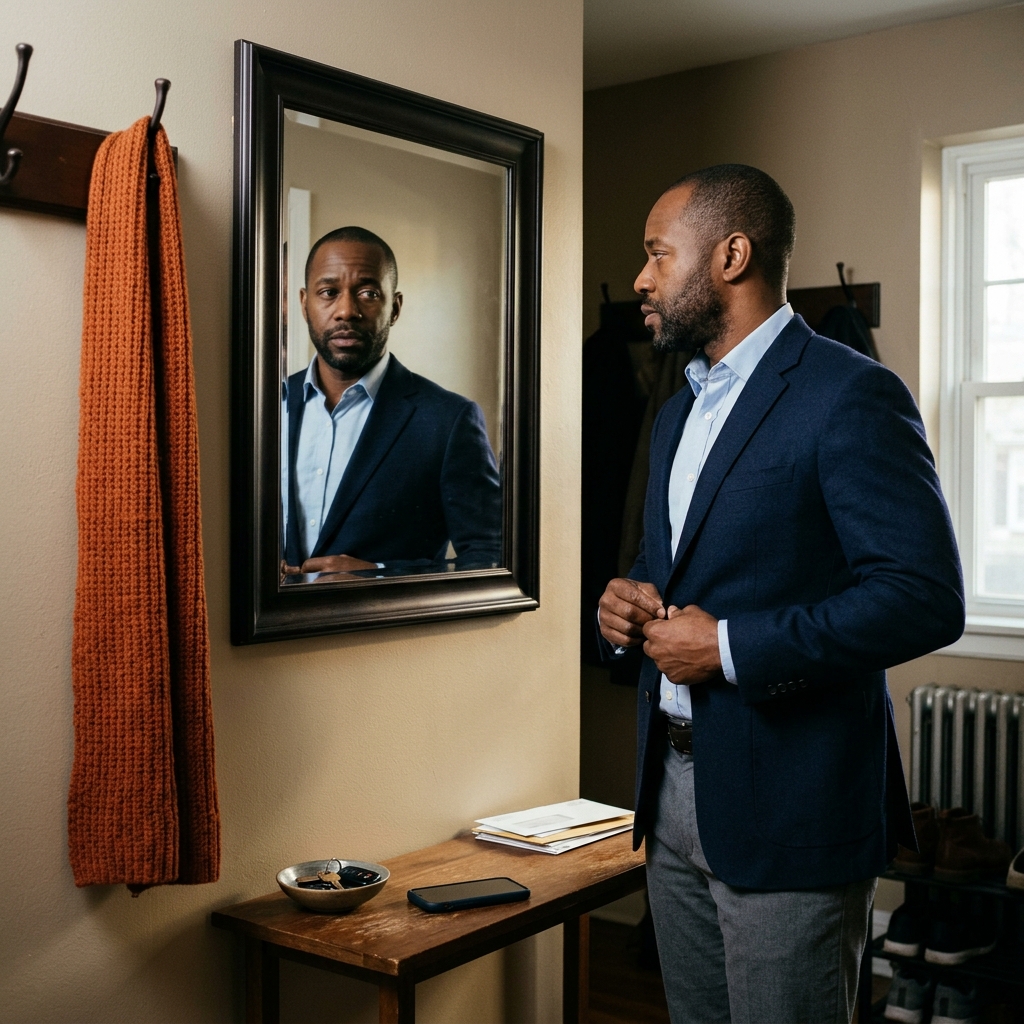
Hauge uses the film Gravity as an example. The main character’s daughter has died. Her belief is that all she has left is the memory of her daughter, and that moving on with her life would be too painful to risk. So she takes a job in space, about as far from her life on Earth as she can get.
The identity works for a while. Weiland says the Lie is like an old friend to the character. Characters hold on to the Lie because it’s how they’ve always survived.
It’s easier to hold on to something that has kept us safe than to give it up for something we don’t know. We know what the old belief costs us. We don’t know what giving it up would cost. Not knowing that cost is a big part of what people call fear of change.
A mistaken belief also makes it hard to take advice. We can’t be open to advice when we’re living from a wound, because we think we’ll get hurt even more. The belief that keeps us safe also keeps good advice out.
Hauge describes the character’s inner conflict as a tug of war. On one side, the character can stay safe but unfulfilled. On the other side, the character can be terrified and go after the goal. Hauge says the character can’t reach the goal unless they’re willing to step out of the identity they built to protect themselves.
What you want and what you need are different
What you want is the visible thing you’re going after. What you need is what helps you become more of who you are. You can get what you want and still not feel satisfied.
A want doesn’t demand that we get it. Sometimes we get what we wanted and find out we’re still not satisfied.
In Pixar’s Soul, Joe Gardner is a middle school band teacher who dreams of playing jazz professionally. He finally gets a gig with the jazz musician Dorothea Williams. After the show, he tells her he thought he’d feel different.
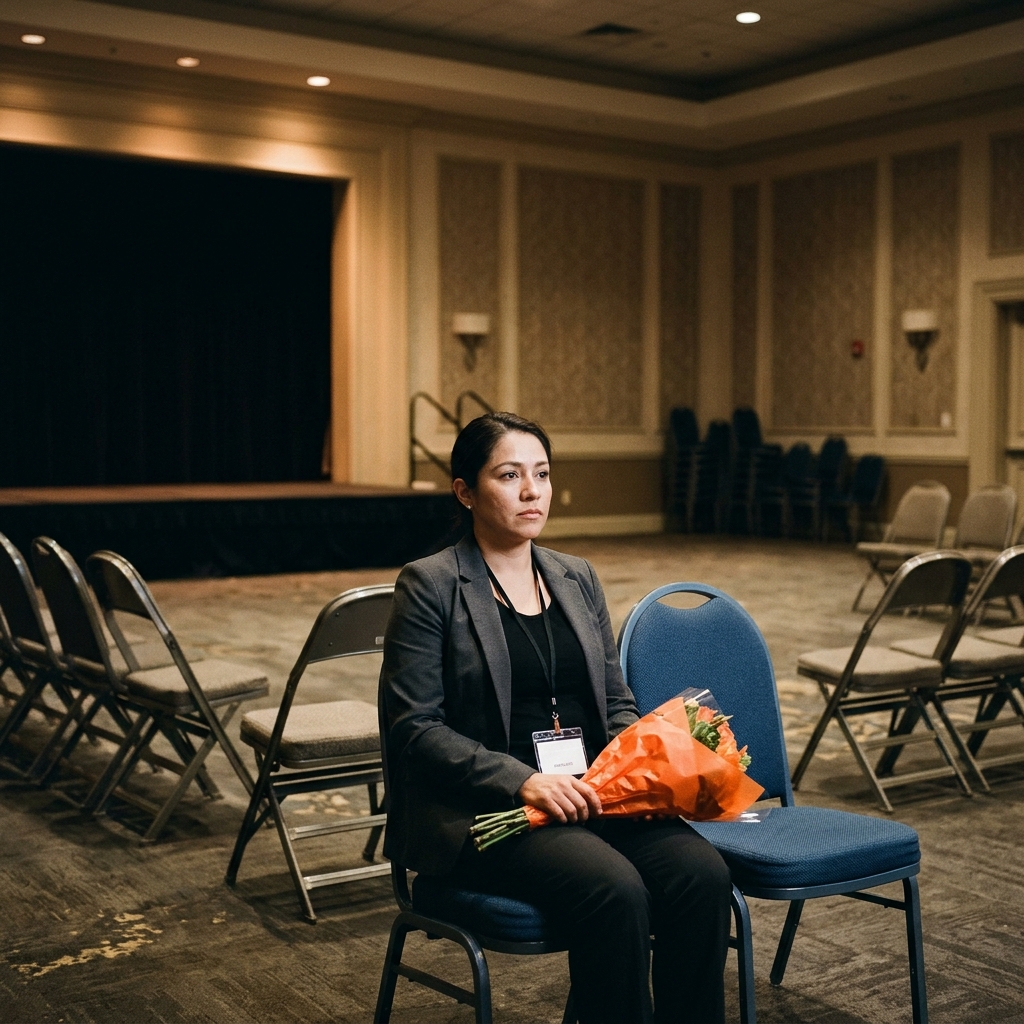
The way I see the film, Joe wanted the gig. What Joe needed was to see that every moment matters, not only the destination.
Getting what you wanted and still feeling unhappy has a name. It’s called the arrival fallacy. I wrote about the arrival fallacy in why success can feel hollow at 40.
Getting what we need feels different. There’s fulfillment, satisfaction, direction, and joy, because getting what we need helps us become more of who we are. We feel more put together. We see more about ourselves and about what we contribute to a situation and to the world. We take what we’ve learned into the decisions we make next.
In a story, I think of the gap between the want and the need as the place where the story turns. To see why, it helps to separate the story from the plot. The plot is the events, put in order so you can see what caused what. Joe getting the gig is a plot event. The story turns when Joe realizes the gig wasn’t what he needed.
Hauge describes the same turn as a move from identity to essence. The identity is the armor the character built to stay safe. Essence, in Hauge’s words, is living your truth.
How to find the belief at the center of your story
To find the belief at the center of your story, start with what you keep not doing. I call what you keep not doing resistance. Resistance is easier to see than the belief behind it. Once you notice the resistance, it can lead you to the mistaken belief, and the belief can lead you to the wound.
Hauge describes a belief forming in order, starting with the wound and ending with the identity. When we look at our own lives, we usually find those pieces in reverse. We can’t see the wound first. What we can see is what we keep not doing.
- Write down something you want and haven’t acted on. Be specific enough that you’d know whether you did it.
- Find the resistance. Write what you do instead when it’s time to act. Then write down any advice you’ve been given more than once and haven’t taken.
- Write the sentence that would make the resistance a sensible choice. That sentence is a candidate for the mistaken belief. If it doesn’t fit, write another one.
- Ask when the belief started making sense. Then ask what the belief has kept you safe from. The answer points toward the wound.
- Ask what you need, as distinct from what you want. The need is usually what the belief has been keeping you from.
The sentence you wrote in step 3 isn’t a judgment about who you are. It’s a belief that made sense at one point in your life, and now you can look at it.
What changes once you can see the belief
Seeing the belief doesn’t make it go away. What seeing the belief gives you is a choice. While the belief was out of sight, you couldn’t question it. Once you can see it, you can decide whether it still fits your life.
Weiland describes how a character lets go of a belief in a story. The character usually sees a better way of looking at things before they’re ready to give up the old belief. For a while, they try to hold on to both. They let go of the old belief once it’s clear the two can’t fit together.
Giving up an old belief can feel like giving up part of yourself. Weiland says that in a story, the person who believed the Lie has to die for the character to change, and there’s grief in that loss.
What helped me most was being okay with not having known. Once I was okay with not having known, I started asking for more information, and I could hear advice I wasn’t ready to hear before.
Hauge describes the end of the inner journey as a move from living in fear to living with courage.
The next time someone gives you good advice and it doesn’t land, ask what belief the advice would ask you to give up.
Frequently Asked Questions
Why is change so hard even when you want it?
Change is hard even when you want it because what you want can conflict with a belief that has kept you safe. Giving up a belief that has protected you can feel riskier than staying where you are, even when you know what to do.
What is a limiting belief?
A limiting belief is one sentence you believe about yourself that keeps you from acting, and it comes from a bigger story about who you are. “I can’t do outreach” is an example. Behind that sentence is a story about who does outreach and what happens to them. I explain the difference in how stories keep us stuck.
How do you change a limiting belief?
You change a limiting belief by looking at the story the belief comes from, not by repeating the opposite sentence. Notice what you keep not doing, write the belief that would make not doing it seem sensible, and ask what that belief has kept you safe from.
How do you get over a fear of change?
You get over a fear of change by finding out what the change would ask you to give up. Fear of change often comes from not knowing what you’d lose if you let go of a belief that has kept you safe.